Pakistan Offers Mediation as US-Iran Tensions Ease with Ceasefire Extension
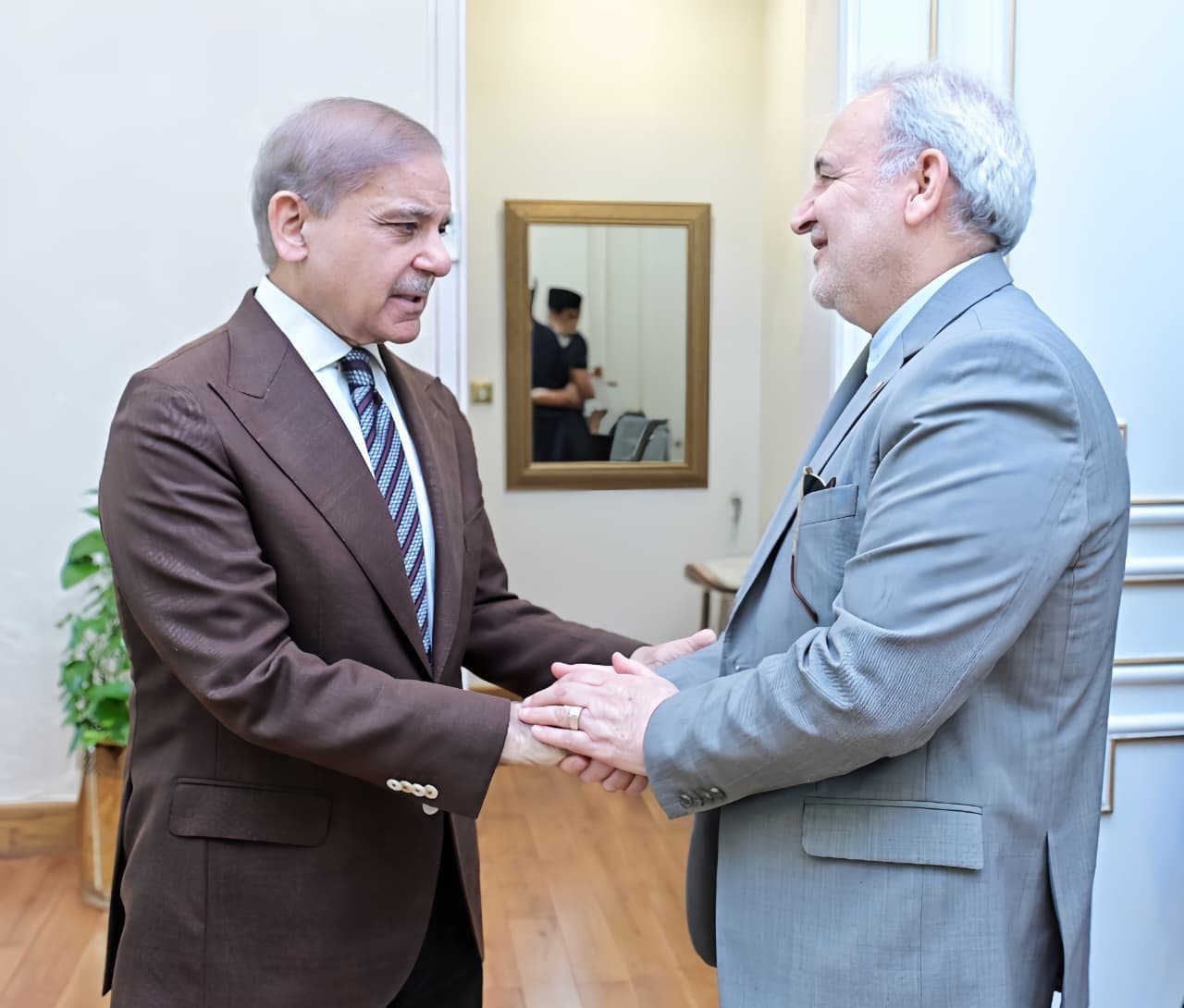
Pakistani Prime Minister Shehbaz Sharif met with Iran's ambassador following an extension of a US-Iran ceasefire arrangement. Pakistan has offered to serve as a mediator to help establish a lasting peace deal between the United States and Iran.
Key Facts
- 1.Pakistani PM Shehbaz Sharif held talks with Iranian ambassador regarding regional tensions
- 2.A US-Iran ceasefire agreement has been extended, though specific duration not disclosed
- 3.Pakistan has formally offered mediation services to broker lasting US-Iran peace
- 4.The meeting comes amid ongoing regional tensions in the Middle East
- 5.Pakistan maintains diplomatic relations with both the US and Iran despite their rivalry
The Unbiased Take
Pakistan's offer to mediate between the US and Iran reflects pragmatic diplomacy, but the effectiveness depends on whether both sides genuinely want de-escalation. While diplomatic engagement is generally positive, Pakistan's limited leverage and the deep structural issues between Washington and Tehran make meaningful progress unlikely. The conservative skepticism about Iran's trustworthiness has historical merit, but the liberal emphasis on diplomatic solutions over military confrontation remains the more viable long-term approach.
Pakistan's mediation offer represents exactly the kind of diplomatic initiative needed to prevent military escalation in the Middle East. Regional powers stepping in to facilitate dialogue demonstrates how international cooperation can address conflicts peacefully rather than through sanctions and threats.
- —Diplomatic mediation has successfully resolved international conflicts throughout history
- —Regional stakeholders like Pakistan have legitimate interests in preventing Middle East warfare
- —Ceasefire extensions create space for substantive negotiations on underlying issues
- —Multilateral diplomatic engagement reduces risks of miscalculation and accidental war
While Pakistan's mediation sounds diplomatic, Iran has consistently used ceasefires and negotiations to buy time while advancing its nuclear program and regional proxy activities. Any lasting peace requires Iran to fundamentally change its behavior, not just temporary agreements.
- —Iran has repeatedly violated previous nuclear agreements and international commitments
- —Pakistan's own complex relationship with extremist groups raises questions about its mediation credibility
- —Iran continues supporting proxy forces across the Middle East despite ceasefire talks
- —Previous diplomatic engagement has failed to curb Iran's nuclear ambitions or regional aggression