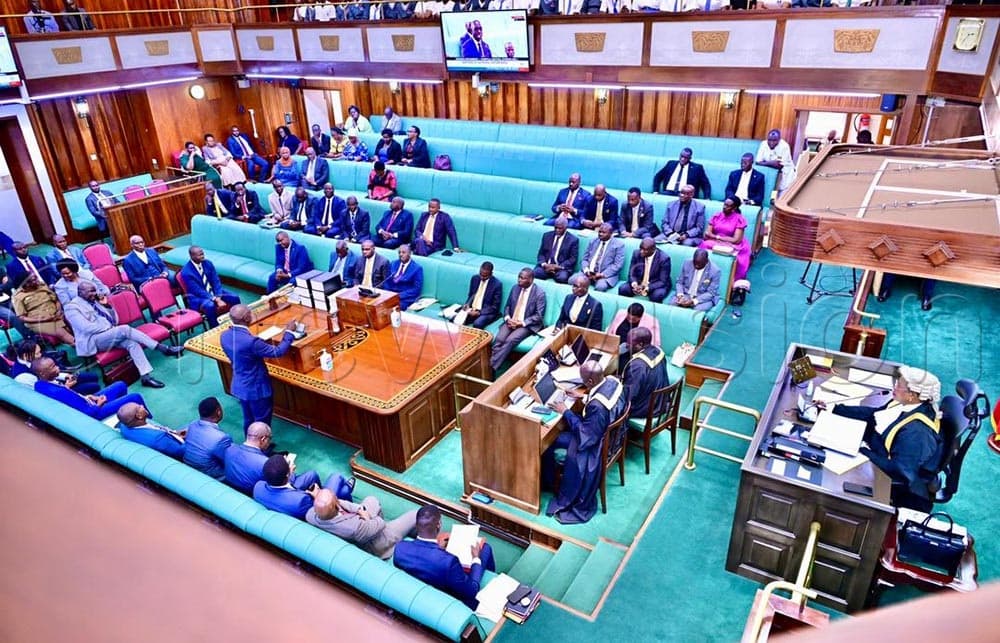
Uganda Parliament Approves 30% Tax on Second-Hand Clothing Imports
Uganda's Parliament has approved a 30% tax on second-hand clothing imports as part of a broader strategy to phase out used clothing and promote domestic textile production. The move aligns with East African Community goals and the government's 'Buy Uganda, Build Uganda' policy to boost local manufacturing.
Key Facts
- 1.Uganda Parliament approved a 30% tax rate on second-hand clothing imports
- 2.The policy is part of East African Community regional goals to phase out second-hand clothing imports
- 3.Uganda's 'Buy Uganda, Build Uganda' policy aims to promote domestic textile manufacturing
- 4.Second-hand clothing imports currently dominate Uganda's textile market, undermining local producers
- 5.The tax is designed as a protective measure to give domestic textile manufacturers competitive advantage
The Unbiased Take
The conservative position has stronger economic merit in this case. While the liberal concern for affordable clothing access is valid, Uganda's approach follows established economic development principles used successfully by countries like Rwanda. Protecting nascent domestic industries through strategic tariffs can create jobs and build industrial capacity, which ultimately benefits more people than maintaining dependence on foreign second-hand goods. The liberal argument fails to acknowledge that long-term economic development requires short-term trade-offs.
The 30% tax on second-hand clothing will disproportionately harm low-income Ugandans who rely on affordable used imports for basic clothing needs. This protectionist policy prioritizes profits for domestic textile manufacturers over the welfare of ordinary citizens who cannot afford expensive locally-made alternatives.
- —Second-hand clothing provides essential affordable options for Uganda's poor and working class
- —Domestic textile production typically results in higher prices that exclude low-income consumers
- —The policy protects wealthy textile manufacturers at the expense of ordinary citizens
- —Free trade in clothing imports gives consumers more choice and better value
The tax correctly prioritizes long-term economic development by protecting Uganda's emerging textile sector from unfair competition with subsidized second-hand imports. Building domestic manufacturing capacity creates jobs, develops industrial skills, and reduces dependence on foreign goods.
- —Protectionist policies are necessary to nurture domestic industries against unfair foreign competition
- —Building textile manufacturing creates jobs and develops valuable industrial skills in Uganda
- —Reducing import dependence strengthens Uganda's economic sovereignty and trade balance
- —Regional coordination through East African Community goals promotes broader economic integration